Aurora Borealis Best Place: What To Compare
Learn aurora borealis best place, what to check first, common mistakes, and how Aurora Forecast can help.
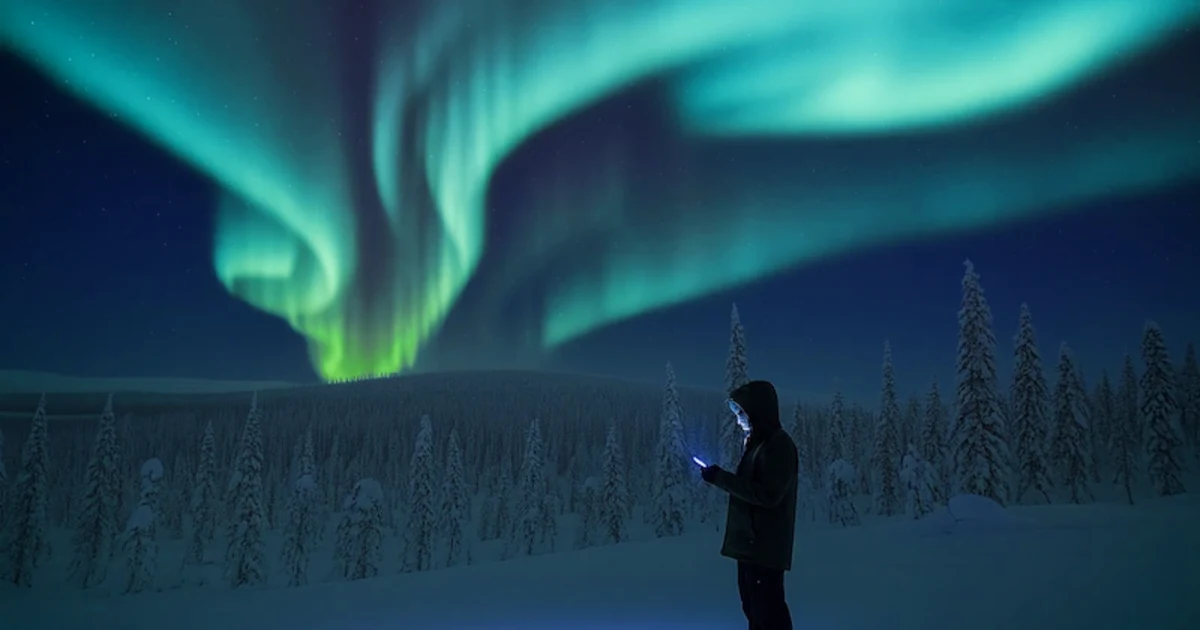
The best place to see the aurora borealis is not one fixed destination; it is the place that gives you the best overlap of aurora activity, clear sky, darkness, and a safe viewing location on the night you are watching. For most travelers and photographers, that means comparing northern locations inside or near the auroral zone, then checking the live forecast, cloud cover, local dark hours, and access before you commit to a spot.
Quick Answer
If you are planning a northern lights trip, start with the region, then choose the night, then choose the exact viewpoint. A famous destination can still be a poor choice if it is cloudy, too bright, unsafe to reach, or outside the strongest activity window.
For a broad trip plan, places in northern Alaska, northern Canada, Iceland, northern Norway, northern Sweden, Finnish Lapland, and Greenland are commonly considered strong aurora regions. For a same-night decision, the best place is more specific: a dark, open viewing spot under clear sky with favorable aurora forecast conditions.
This advice is for people comparing aurora destinations, planning photo trips, choosing between nearby viewpoints, or deciding whether tonight is worth going outside.
How To Interpret The Signal
“Aurora borealis best place” sounds like a destination question, but it is really a conditions question. The northern lights happen high above Earth, so your ground location matters only because it affects what you can actually see: sky darkness, horizon view, weather, latitude, and timing.
A good aurora location usually has four traits:
- It is far enough north for aurora visibility to be realistic.
- It has dark skies away from heavy light pollution.
- It has a clear view toward the northern sky, or overhead in stronger displays.
- It has usable local conditions on the night you are there.
Common edge cases matter. A lower-latitude place can become good during a strong geomagnetic event. A famous Arctic town can be useless during thick cloud. A beautiful viewpoint can be unsafe in winter if roads, cold, tides, or terrain are not manageable. A camera may detect faint aurora before your eyes do, especially near city light or twilight.
So the “best place” is not always the most dramatic travel destination. Sometimes it is the nearest dark pullout, beach, hill, lake, or open field with a clear sky and enough darkness during the forecast window.
Comparison Criteria
Use these criteria before naming a winner.
Accuracy: A useful aurora comparison should separate general probability from tonight’s conditions. “Best in the world” lists are helpful for trip inspiration, but they cannot tell you whether one exact viewpoint is better than another tonight. For acting now, compare forecast strength, cloud cover, darkness, and local visibility together.
Freshness: Aurora and weather conditions change. A destination guide may stay useful for months or years, but a same-night decision needs fresh forecast data. If you are choosing where to drive tonight, old recommendations are less useful than current sky and aurora checks.
Ease of use: The best information is the information you can understand quickly. If you are standing outside in the cold, you need a simple answer: is activity possible, when should I look, which direction should I face, and are clouds likely to block the view?
Privacy and safety: Location-based tools can be useful, but they should only use the location access needed to provide the forecast. Safety matters too. Do not choose a viewing place only because it looks remote on a map. Check roads, parking, weather exposure, local rules, wildlife risk, water edges, and whether you can leave safely if conditions change.
What To Check Before Acting
Before you decide that one place is the aurora borealis best place for tonight, check these points in order.
Kp forecast: Kp gives a broad signal of geomagnetic activity. Higher values can mean aurora may be visible farther from the poles, but Kp alone is not enough. Treat it as one input, not a guarantee.
Cloud cover: Clouds can block the aurora completely. If two places have similar aurora potential, the clearer sky usually wins. For photography, even partial gaps in cloud can matter, but solid overcast is a strong reason to wait or move.
Local darkness window: Aurora viewing needs dark sky. Check sunset, twilight, moon brightness, and the hours when the sky is actually dark at your location. In far northern areas, summer nights may be too bright for reliable viewing even if aurora activity exists.
Camera or viewing location: Choose a place with an open view, low light pollution, and safe access. For photos, a tripod-friendly spot with foreground interest can help, but visibility comes first. For casual viewing, comfort and safety matter more than a dramatic composition.
A practical decision might look like this: if the forecast is active, clouds are clearing after 10 p.m., and your local dark window runs late, choose a nearby dark viewpoint with a clear northern horizon instead of driving farther to a famous spot under worse clouds.
Where Aurora Forecast Fits
Aurora Forecast fits best when you need to turn a broad destination idea into a practical viewing decision. It can help with forecast checks, alerts, and location-specific planning without making the app the whole plan.
Use it when:
- You are deciding whether tonight is worth checking.
- You want alerts instead of refreshing forecast pages.
- You are comparing your current location with another possible viewing area.
- You need to plan around darkness and likely viewing windows.
- You want a fast check before packing camera gear or driving.
For internal review, useful links from this article would be:
- Link to the main aurora forecast page for live conditions.
- Link to a location guide for choosing viewing spots.
- Link to a methodology or alerts page explaining how forecast signals are interpreted.
The app should support the decision, not replace common sense. Always pair forecast signals with local weather, darkness, and safe access.
FAQ
Where is the best place on Earth to see the Aurora Borealis?
There is no single permanent best place on Earth. Strong aurora regions include high-latitude areas such as northern Alaska, northern Canada, Iceland, northern Norway, Swedish and Finnish Lapland, and Greenland. The best place for your trip depends on season, weather patterns, access, budget, darkness, and how much flexibility you have to move when clouds appear.
For a once-in-a-lifetime trip, choose a region with multiple possible viewing spots nearby. That gives you more ways to adapt if one location is cloudy.
Where is the best place to see the Northern Lights now?
The best place right now is the nearest safe, dark location with clear sky and favorable aurora conditions. A live forecast matters more than a generic destination list for same-night decisions.
Before you go, check Kp or aurora activity, cloud cover, local darkness, moonlight, and whether your chosen viewpoint has a clear horizon. If clouds are moving, the best place may change during the night.
Where's the best place to go to see the Northern Lights?
For travel planning, go somewhere inside or near a known aurora-viewing region and give yourself several nights. For tonight, go somewhere dark, open, safe, and clear.
If you are in the United States, Alaska is usually the strongest aurora travel choice. During stronger aurora events, northern parts of the contiguous U.S. may also become possible, but those chances depend heavily on the current forecast and sky conditions.
What month is best for Aurora Borealis?
The best months are usually the dark-season months, when nights are long enough for viewing. In many northern destinations, late autumn through early spring gives better darkness than summer.
Month alone does not guarantee a display. A good aurora night still needs activity, clear sky, and a dark local viewing window. For trip planning, choose a dark-season month and stay long enough to give weather and solar activity a chance to line up.
When should someone use an app for “aurora borealis best place”?
Use an aurora app when you are moving from general research to an actual decision. Destination guides help you choose a region. An app helps you check whether tonight, this location, and this time window are worth acting on.
It is especially useful for alerts, last-minute viewing checks, location-specific planning, and comparing whether to stay put or try a darker nearby spot.

