Aurora Borealis Light: Practical Guide
Learn aurora borealis light, what to check first, common mistakes, and how Aurora Forecast can help.
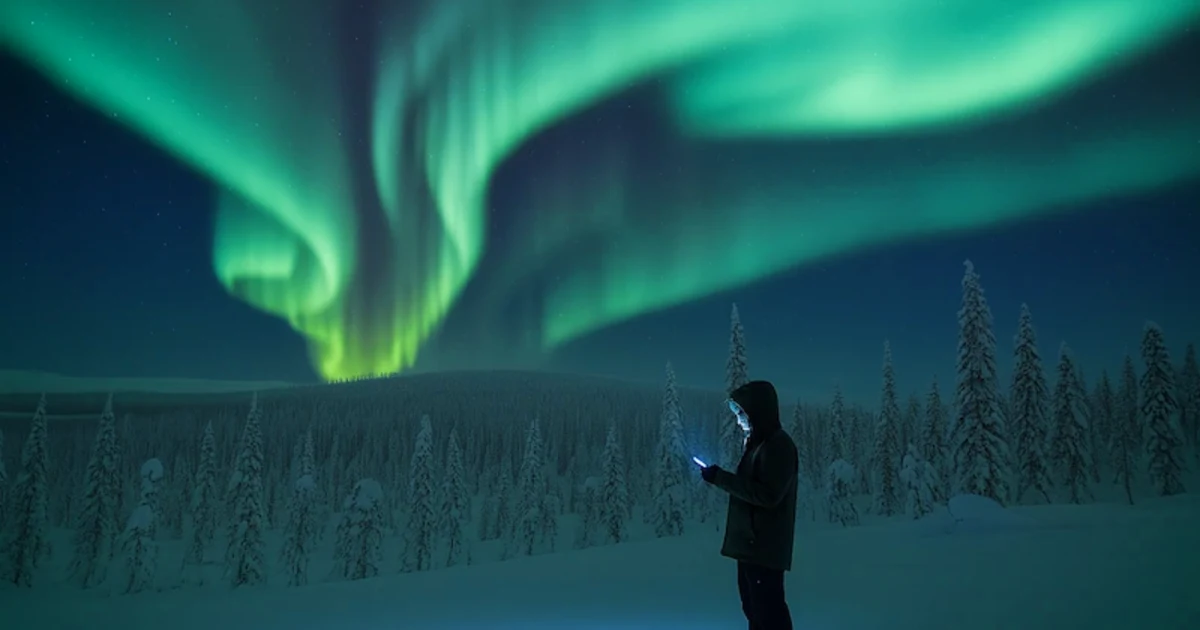
Aurora borealis light means the natural northern lights: colored light in the night sky caused by aurora activity, usually seen best from dark locations at higher northern latitudes. If you are planning a viewing night or photo trip, the practical answer is simple: check the aurora forecast, local cloud cover, darkness window, and your exact viewing location before you decide to go.
Quick Answer
For most searchers, “aurora borealis light” means one of two things: the real northern lights in the sky, or a decorative indoor light projector that imitates them. This guide is about the real aurora borealis light: how to interpret the forecast, when to look, and how to avoid common planning mistakes.
The advice here is for travelers, photographers, families, and casual skywatchers who want to know whether tonight is worth trying, where to stand, and what conditions matter most. A strong aurora forecast alone is not enough. You also need darkness, clear sky, and a view toward the right part of the horizon.
How To Interpret The Signal
Aurora borealis light is not a normal weather event. It is a sky glow that can appear as a faint pale band, a green arc, moving curtains, vertical rays, or a brighter display that shifts across the sky. To the naked eye, weak aurora can look gray-white at first. Cameras often reveal more color than your eyes, especially during low-intensity displays.
The main planning signal is usually the aurora forecast, often summarized with a Kp value or a location-specific visibility estimate. Higher activity can push aurora farther south, but the same number does not mean the same viewing chance everywhere. A Kp level that is useful in Alaska, northern Canada, Iceland, or northern Scandinavia may not be enough for the central United States.
Common edge cases matter:
- A camera may capture aurora borealis light when your eyes see only a faint glow.
- Bright moonlight can reduce contrast, but it does not always ruin a strong display.
- Twilight can make aurora harder to notice, especially near the horizon.
- City lights can hide weaker aurora even when the forecast looks promising.
- Clouds are a hard blocker; aurora can be active above them and still invisible from the ground.
- Search results for “aurora borealis light” may also show projectors, lamps, or room lights. Those are decorative products, not forecast tools.
The best mindset is to treat aurora planning as a stack of conditions. Activity is one layer. Weather is another. Darkness and location are just as important.
What To Check Before Acting
Before you drive, book a tour, or set up a camera, check four things.
First, check the Kp forecast or a location-specific aurora forecast. Kp is useful as a broad activity signal, but it is not a guarantee. For practical planning, look for whether aurora is likely at your latitude and whether activity is expected during your local night, not just during the day.
Second, check cloud cover. Clear sky beats a stronger forecast hidden behind clouds. If the forecast is mixed, look for gaps in cloud cover during the darkest hours. A short clear window can be enough for a photo attempt, while a fully overcast sky usually means waiting.
Third, check your local darkness window. Aurora borealis light is easiest to see when the sky is fully dark. The best window is usually after evening twilight ends and before morning twilight begins. In far northern places during summer, true darkness may be short or absent, which can make aurora viewing difficult even if solar activity is present.
Fourth, choose a viewing or camera location before you leave. Look for a safe place away from streetlights, with an open view toward the northern sky if you are south of the auroral zone. If you are already far north, aurora may appear overhead or in several directions, but open sky still helps.
For photography, bring a tripod, use a wide lens if possible, and test exposure settings before the display starts changing. For casual viewing, give your eyes time to adjust. Avoid checking a bright phone screen every minute unless you are using night mode.
Useful internal link opportunities for this topic:
- Link to the aurora forecast page for live activity checks.
- Link to a location guide for choosing viewing spots by region.
- Link to the methodology or alerts page explaining how forecast signals and notifications work.
Where Aurora Forecast Fits
An aurora app is most useful when the question is specific: “Is aurora borealis light possible near me tonight?” A general article can explain the concept, but a forecast tool helps with timing, location, and alerting.
Aurora Forecast can support three parts of planning. It can help you check current and upcoming aurora activity, compare that activity with your location, and set alerts so you do not have to watch the forecast manually all evening. That is especially useful when aurora activity peaks late at night or changes quickly.
Location-specific planning is the key value. Someone in Fairbanks, Tromso, Reykjavik, northern Michigan, or rural Maine is not asking the same practical question. The right threshold, direction, and patience level vary by place. A useful forecast should help you decide whether to stay home, step outside, drive to darker skies, or prepare a camera.
The app should not replace common sense. Always check road conditions, weather, access rules, and personal safety before traveling at night. Aurora viewing often means cold, dark, remote places. A good forecast helps you avoid wasted trips, but it cannot make an unsafe location safe.
FAQ
Where are the aurora borealis lights located?
Aurora borealis lights are located in the northern hemisphere, most often around high-latitude regions near the Arctic. Common viewing areas include Alaska, northern Canada, Iceland, Greenland, northern Norway, Sweden, Finland, and parts of Russia. During stronger geomagnetic activity, aurora can sometimes be visible farther south than usual.
Is Borealis the same as the northern lights?
Yes. “Aurora borealis” is the formal name for the northern lights. “Borealis” refers to the northern version of aurora. The southern version is called aurora australis, or the southern lights.
What are the two types of aurora lights?
The two broad geographic types are aurora borealis in the northern hemisphere and aurora australis in the southern hemisphere. Both are aurora lights, but they occur around opposite polar regions.
People also describe aurora by appearance, such as arcs, curtains, rays, bands, or diffuse glow. Those are visual forms, not separate global types.
When should someone use an app for “aurora borealis light”?
Use an app when you need a practical decision, not just a definition. An aurora app is helpful when you want to know whether aurora borealis light may be visible tonight, what time to watch, whether your location is far enough north, and when to set alerts.
It is especially useful for short trips, photo planning, and nights when the forecast may change. Check the app together with cloud cover, darkness, and your viewing location before acting.
Suggested Meta
Meta title: Aurora Borealis Light: Forecast, Timing, and Viewing Guide
Meta description: Learn aurora borealis light, what to check first, common mistakes, and how Aurora Forecast can help.

