Best Viewing for Aurora Borealis: What To Compare
Learn best viewing for aurora borealis, what to check first, common mistakes, and how Aurora Forecast can help.
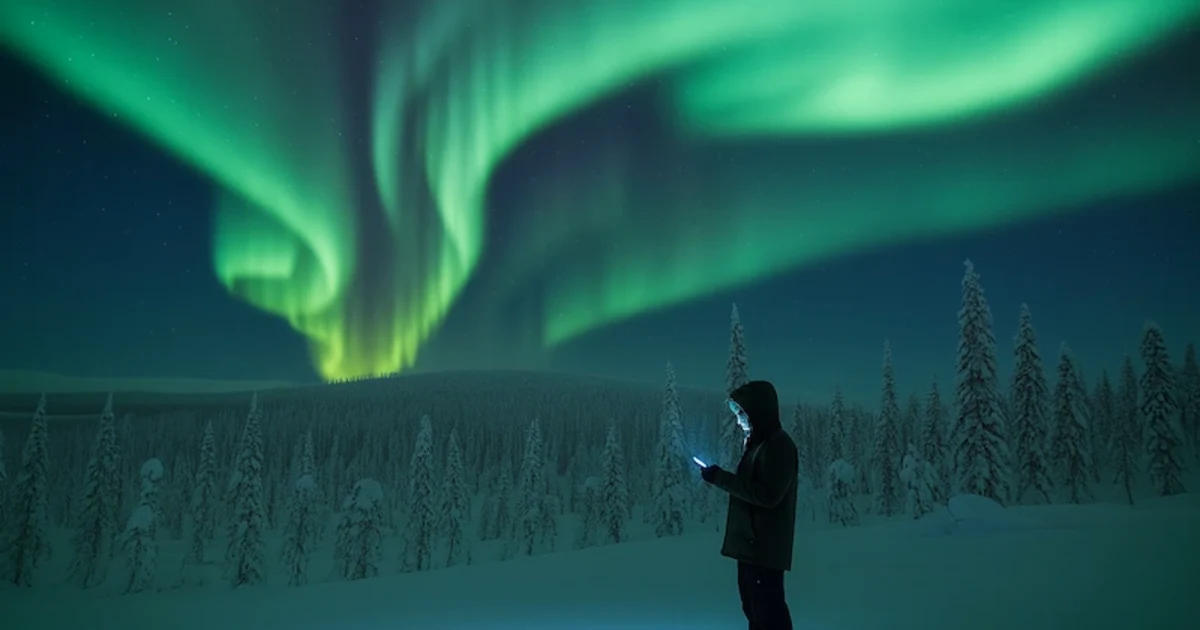
The best viewing for aurora borealis happens when three things line up at the same time: active space weather, clear dark skies, and a location far enough north with an open view toward the horizon. This advice is for people planning a northern lights night out, a photo trip, or travel around aurora season who need to compare forecasts, timing, and viewing spots before committing time, money, or a late-night drive.
Quick Answer
For most aurora watchers, the best choice is not a single country, month, or app. It is the combination of a reliable aurora forecast, low cloud cover, local darkness, and a realistic place to stand safely away from bright city lights.
If you are already in a northern region, the best viewing plan is usually local and time-sensitive: check tonight's Kp or visibility forecast, compare it with cloud cover, confirm when the sky is fully dark, then choose a safe viewing location with a clear northern view. If you are planning travel, compare destinations by aurora frequency, winter darkness, weather patterns, accessibility, and how much flexibility you have to wait several nights.
How To Interpret The Signal
"Best viewing for aurora borealis" sounds like a place-based question, but it is really a comparison question. A famous aurora destination can still have poor viewing if the sky is cloudy. A modest location can have a memorable display if the geomagnetic activity is strong, the sky is clear, and the timing is right.
The main signal to understand is that aurora viewing is probabilistic. A forecast can tell you when conditions are more favorable, but it cannot guarantee what you will see from a specific road, cabin, campsite, or camera tripod. Forecasts are useful because they narrow the window: they help you decide whether tonight is worth watching, whether you should move farther from city lights, and whether alerts are likely to matter.
Common edge cases include full moon glare, fast-moving clouds, weak aurora that appears only in long-exposure photos, local hills or trees blocking the northern horizon, and forecasts that look strong at a regional level but do not translate into visible aurora at your exact latitude. Travel plans add another edge case: a destination may be excellent over a season, but your specific three-night trip can still miss the show.
Comparison Criteria
A good aurora viewing plan should compare more than one signal. The strongest choice is the one that survives four checks: accuracy, freshness, ease of use, and privacy or safety.
Accuracy matters because aurora forecasts combine space weather signals with location. A general forecast can be enough for broad planning, but a location-specific forecast is more useful when deciding whether to go outside tonight. For photographers, accuracy also includes knowing whether conditions are strong enough for naked-eye viewing or mostly camera-visible color.
Freshness matters because aurora conditions and local weather can change quickly. A travel article can help you choose a destination, but it cannot tell you whether clouds will cover your chosen viewpoint tonight. Before acting, compare the latest aurora forecast with the latest local weather forecast, not just seasonal advice.
Ease of use matters when you are tired, cold, or deciding quickly. The best viewing tool should make the next action obvious: wait, go outside, drive to a darker spot, or set an alert for later. If a forecast is technically detailed but hard to interpret, pair it with a simpler location-based view.
Privacy and safety matter because aurora chasing often happens late at night. Be careful with apps or communities that encourage sharing exact real-time locations publicly. Avoid unsafe pullouts, private roads, unstable ice, closed trails, and remote spots without cell coverage unless you are prepared. The best viewing location is not only dark and scenic; it is legal, reachable, and safe to leave after midnight.
What To Check Before Acting
Start with the Kp forecast, but do not stop there. Kp is a broad geomagnetic activity index. Higher values generally improve the chance of aurora being visible farther from the polar regions, but local visibility still depends on your latitude, sky darkness, and weather. Treat Kp as a first filter, not the final answer.
Next, check cloud cover. Clear sky can matter more than a slightly better aurora forecast. If one viewpoint is darker but cloudy and another is less perfect but clear, the clear location often gives you the better chance. Look for both total cloud cover and low clouds near the horizon, since aurora can sit low in the northern sky for many viewers.
Then confirm the local darkness window. Twilight, moonlight, and city glow can all reduce contrast. The best time to watch is usually during the darkest part of the night, but your practical window depends on season, latitude, moon phase, and how late you can safely stay out. In far northern areas, winter gives long dark nights; near the edges of aurora visibility, a short strong burst may matter more than the season label.
Finally, choose your camera or viewing location. For naked-eye viewing, prioritize a dark place with a wide northern horizon. For photography, add stability, foreground safety, and enough room to set a tripod without blocking traffic or standing in a dangerous spot. A camera may reveal faint aurora before your eyes do, so a test exposure can help you decide whether to keep waiting.
Internal link opportunities for this page: link "aurora forecast" to the forecast page, link "location-specific viewing" to the location guide, and link "aurora alerts" to the methodology or alerts page.
Where Aurora Forecast Fits
Aurora Forecast fits into the planning step, not as a replacement for judgment outdoors. Use it to check whether your location has a reasonable chance of activity, then compare that with sky conditions and your own viewing options.
Forecast checks are most useful when you are deciding between staying home, stepping outside, or driving to a darker place. A location-specific forecast can reduce guesswork because it connects the broader aurora signal to where you actually are.
Alerts help when the timing is uncertain. Instead of staring at charts all evening, you can set alerts and respond when conditions look more promising. This is especially useful for people who live within possible aurora range but cannot watch the sky every night.
Location-specific planning matters for trips. If you are comparing Alaska, northern Canada, Iceland, Norway, Sweden, Finland, or northern parts of the United States, use the app as one layer in the decision. It can help you understand timing and local opportunity, while your final plan should still account for weather, transportation, accommodation, daylight, and safe access.
FAQ
Where is the best place in the world to view the aurora borealis?
The best place in the world is usually somewhere inside or near the auroral zone with dark skies, frequent clear nights, and enough travel flexibility to wait for conditions. Popular strong candidates include interior Alaska, northern Canada, Iceland, northern Norway, northern Sweden, and northern Finland.
There is no permanent single winner for every traveler. Fairbanks can be excellent for people in the United States because it combines northern latitude with practical access. Tromso and nearby northern Norway can be strong for European travelers. Finnish and Swedish Lapland can work well for winter trips built around quiet dark-sky stays. Iceland can be appealing because aurora viewing can combine with broader travel, though clouds and weather can be challenging.
The best choice depends on your starting point, budget, season, trip length, and tolerance for cold, driving, and late nights.
When should someone use an app for "best viewing for aurora borealis"?
Use an app when the decision is time-sensitive or location-specific. That includes tonight's viewing, a weekend trip, a photo outing, or a travel day when you need to decide whether to stay near town or move to darker skies.
An app is especially useful when you need alerts, quick forecast checks, and local planning in one place. It should not be the only input. Before leaving, still check cloud cover, darkness, road conditions, access rules, and whether your chosen location is safe after dark.
What is the biggest mistake people make when comparing aurora viewing options?
The biggest mistake is treating one factor as the answer. A high Kp forecast does not help much under thick clouds. A famous destination does not guarantee visibility during a short trip. A beautiful viewpoint may be poor if it faces the wrong direction or has heavy light pollution.
Compare the full viewing stack: aurora activity, cloud cover, darkness, location, safety, and timing.
Suggested Meta
Meta title: Best Viewing for Aurora Borealis: Forecast, Timing, Location
Meta description: Learn best viewing for aurora borealis, what to check first, common mistakes, and how Aurora Forecast can help.

