Northern Lights Aurora Watch: Practical Guide
Learn northern lights aurora watch, what to check first, common mistakes, and how Aurora Forecast can help.
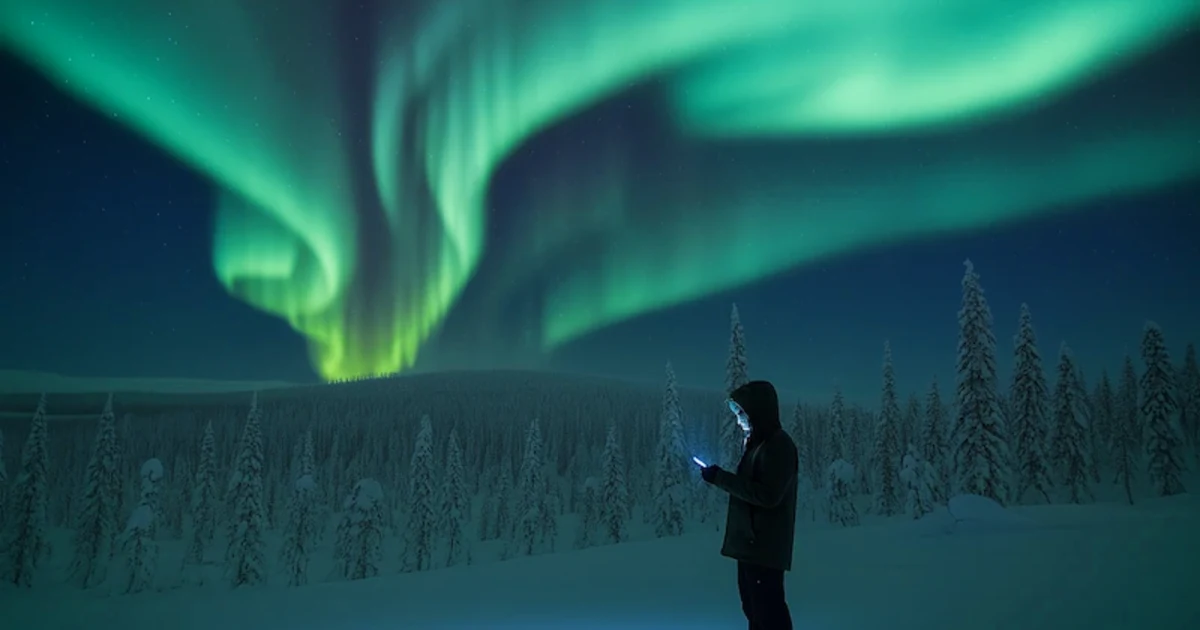
A northern lights aurora watch means conditions may be worth monitoring for possible aurora viewing, but it is not a promise that you will see lights from your location. For tonight’s planning, check three things together: the aurora forecast strength, your local cloud cover, and the hours when your sky is fully dark. This guide is for people deciding whether to drive, stay up late, set camera gear, or use an aurora app for location-specific alerts.
Quick Answer
Use a northern lights aurora watch as a planning signal, not a guarantee. It tells you that solar and geomagnetic conditions could support visible aurora somewhere, but your actual chance depends on where you are, how dark your sky is, whether clouds block the view, and whether the strongest activity overlaps your local night.
If you are already in a northern state, Canada-border region, Alaska, or another high-latitude area, an aurora watch may be enough reason to prepare. If you are farther south, treat it as a reason to follow live updates closely, not as proof that the northern lights will reach you.
The practical move is simple: check the forecast now, check again near sunset, and then make your decision based on the latest short-range signal. Aurora activity can strengthen, fade, or shift timing faster than a day-ahead forecast can capture.
How To Interpret The Signal
“Northern lights aurora watch” is a broad phrase people use when they want to know whether the aurora might be visible tonight. The word “watch” usually means “pay attention now because conditions may develop,” not “go outside at exactly this time and look north.”
A useful aurora watch answers four questions:
- Is geomagnetic activity strong enough to matter?
- Is the auroral oval far enough south for my region?
- Will it be dark when activity peaks?
- Will my sky be clear enough to see anything?
The most common mistake is checking only one signal. A strong Kp forecast can still lead to no sighting if clouds cover the sky. A clear sky does not help if the aurora stays too far north. A live map can look promising while your local sky is still in daylight or twilight.
Common edge cases include:
- Good forecast, bad weather: Aurora may be active above the clouds, but you will not see it.
- Good weather, weak aurora: Stars may be clear, but the aurora may stay below your horizon.
- Photo-visible, not eye-visible: A camera may capture green or purple glow that your eyes see only as a pale band.
- Short-lived burst: Activity can peak for 10-30 minutes and fade before casual viewers step outside.
- Southern reports: During stronger storms, people farther south may see a faint northern glow, but this is less predictable than viewing from northern regions.
Think of an aurora watch like a decision funnel. First, decide whether the night is worth monitoring. Then narrow it by time, location, darkness, and cloud cover. Only then decide whether to travel or set up a camera.
What To Check Before Acting
Kp Forecast
The Kp forecast is a broad measure of geomagnetic activity. Higher values generally mean the aurora has a better chance of reaching lower latitudes. For northern locations, moderate activity may be enough. For much of the continental United States, visible aurora usually requires stronger activity, especially if you are away from the northern tier.
Do not treat Kp as a location-specific promise. Kp is useful for quick screening, but it does not tell you whether your exact town, road, or viewpoint will see aurora. Use it with a live aurora map, regional forecast, and your own horizon conditions.
For planning:
- Check the 3-day aurora forecast for early trip decisions.
- Check short-term updates closer to sunset.
- Recheck during the night if activity is rising.
Cloud Cover
Cloud cover is the most practical deal-breaker. Even a strong aurora can be invisible under thick clouds. Before driving, look at cloud forecasts for your exact viewing area, not just your city.
If clouds are patchy, a short drive can make a big difference. Look for open sky to the north, because many mid-latitude sightings appear low on the northern horizon. If the forecast shows a clearing window after midnight, it may be better to wait than to stand outside under overcast skies at 9 p.m.
Local Darkness Window
Aurora is not visible during daylight, and twilight can wash out faint displays. Your useful viewing window starts after the sky becomes properly dark and ends before dawn brightens the horizon.
The best time to view aurora tonight is the period when the strongest forecast activity overlaps your local dark hours. For many trips, that means checking from late evening through the early morning, then narrowing the plan with live updates. There is no universal best hour that works everywhere every night.
Also consider the moon. A bright moon does not always ruin aurora viewing, especially during strong displays, but it can make faint aurora harder to see and photograph.
Camera Or Viewing Location
Choose a place with a dark northern horizon. City lights, trees, hills, and buildings can block or wash out faint aurora. A good location has:
- Low light pollution
- Clear view toward the north
- Safe parking or public access
- Space to set up a tripod
- A way to leave safely if weather changes
For photography, use a camera or phone with night mode, a stable tripod, and manual exposure if available. The camera may reveal color before your eyes do. If your first photo shows a pale green or purple band toward the north, keep watching. Activity can intensify quickly.
For naked-eye viewing, let your eyes adapt to the dark. Avoid checking bright screens every minute. Use a dim red screen setting if available.
Where Aurora Forecast Fits
An app is most useful when a northern lights aurora watch becomes a timing and location problem. Broad forecasts can tell you the night may be interesting, but viewers need practical answers: should I go now, wait until later, or skip this location because clouds are moving in?
Aurora Forecast can help by keeping forecast checks, alerts, and location-specific planning in one place. Use it to monitor changing conditions before you leave, then keep checking as the night develops. The best use is not constant scrolling; it is setting a plan, watching for meaningful changes, and acting when the forecast, darkness, and sky conditions line up.
A sensible workflow:
- Check the forecast page for tonight and the next few days.
- Use a location guide to understand whether your area usually needs weak, moderate, or strong activity.
- Set alerts so you do not have to manually refresh all evening.
- Check the methodology or alerts page if you want to understand how signals are interpreted.
This keeps the product role secondary: the app helps you make a better decision, but the final viewing call still depends on sky, safety, and local conditions.
FAQ
What states will be able to see the aurora tonight?
The states that may see aurora tonight depend on the current geomagnetic forecast, cloud cover, and timing. In the United States, the best chances usually start with Alaska and northern states near the Canadian border. During stronger activity, visibility can sometimes extend farther south.
Do not rely on a static state list. Check a live aurora map or location-specific forecast close to sunset, then compare it with your cloud forecast and local darkness window.
What is the best time to view aurora tonight?
The best time is when aurora activity is strongest while your location is fully dark and skies are clear. Late evening through early morning is often the practical viewing window, but the exact timing changes from night to night.
Check once before sunset, again after dark, and again later if activity is rising. If alerts show a short-term increase, that can matter more than a general all-night forecast.
Is the aurora borealis in Spokane tonight?
Spokane can sometimes be a possible viewing area during stronger geomagnetic activity, but it is not guaranteed on a normal aurora watch. For Spokane tonight, check the live forecast, cloud cover, and whether the aurora is expected to reach far enough south during dark hours.
If conditions look promising, choose a darker location outside bright city lights with an open northern view.
Can you see the northern lights in GA?
Georgia can see northern lights only during unusually strong aurora events. For most aurora watches, Georgia is too far south for reliable viewing. If a major storm is underway, people in Georgia should look for live reports, a clear northern horizon, low light pollution, and camera-visible glow.
For normal planning, treat Georgia aurora chances as rare and highly dependent on current conditions.
When should someone use an app for northern lights aurora watch?
Use an app when you need timing, alerts, and location-specific planning rather than a general yes-or-no answer. An app is especially useful when you are deciding whether to drive, stay awake, set up a camera, or wait for a better window later in the night.
Suggested meta title: Northern Lights Aurora Watch: Practical Guide
Suggested meta description: Learn northern lights aurora watch, what to check first, common mistakes, and how Aurora Forecast can help.

