The North Borealis: Practical Guide
Learn the north borealis, what to check first, common mistakes, and how Aurora Forecast can help.
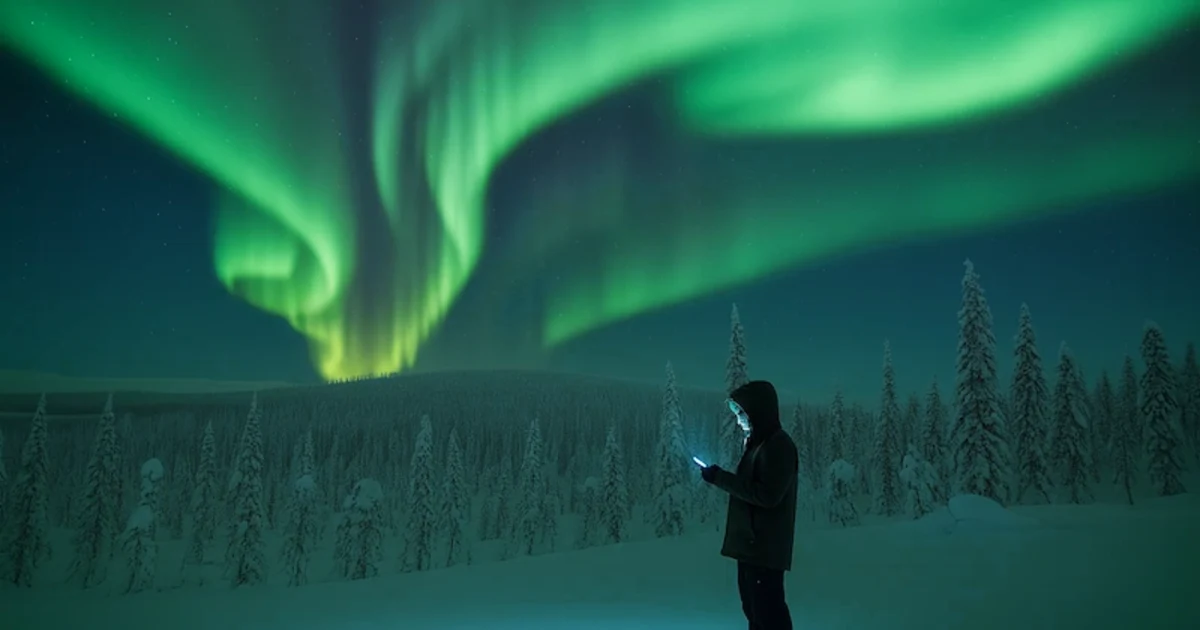
“The north borealis” is best read as a search for the northern lights, or aurora borealis, seen from northern locations. If you are planning a viewing night, photo trip, cabin weekend, or last-minute drive away from city lights, the useful answer is simple: check the aurora signal, local darkness, clouds, and your exact viewing location before you go.
Quick Answer
The north borealis is not a separate type of aurora. It usually means the aurora borealis in the north: the green, pink, purple, or red light display that can appear in high-latitude night skies when conditions line up. For a viewer, the practical question is not just “Will there be aurora tonight?” It is “Will it be dark, clear, active enough, and visible from where I am?”
This guide is for people who want a realistic plan before heading outside. That includes first-time northern lights watchers, travelers in Alaska or northern Canada, road-trippers chasing a clear horizon, and photographers deciding whether it is worth packing a tripod and driving to a darker location.
The key point: a strong aurora forecast can still fail locally if clouds move in, twilight lasts too long, or you are too far south for that night’s activity. A weaker forecast can still reward patience if you are already far north with dark skies and a clear view.
How To Interpret The Signal
When people search for the north borealis, they may be mixing two ideas: “north” as a place and “borealis” as the northern aurora. In plain language, the aurora borealis is a sky event most often watched from northern regions. It is not tied to one fixed city, trail, park, or viewpoint. It depends on space weather, local weather, darkness, and your latitude.
The forecast signal is usually treated as a probability, not a promise. A higher activity forecast means the aurora may be visible farther south or appear brighter from northern areas. A lower forecast does not mean zero chance, especially if you are already in a good northern viewing zone. This is why a forecast should be read together with local conditions.
Common edge cases matter:
- The forecast looks good, but the sky is cloudy. Clouds can block the aurora completely, even during active conditions.
- The sky is clear, but it is not dark enough. Long twilight, moonlight, nearby streetlights, and urban glow can make faint aurora hard to see.
- You are looking in the wrong direction. Depending on location and activity, aurora may sit low on the northern horizon or appear overhead.
- The camera sees more than your eyes. Long exposures can reveal color before it becomes obvious visually.
- The activity arrives later than expected. Aurora can pulse, fade, or strengthen after a quiet start.
- You are using a broad regional forecast. A state, province, or country-level forecast may not reflect your exact cloud cover or horizon.
Think of the signal as a stack of checks. If activity, darkness, and weather all point in the same direction, the night is worth attention. If one layer is weak, you may still go, but expectations should be lower.
What To Check Before Acting
Before driving, booking a tour, or setting an alarm, run through four practical checks.
Kp Forecast
Kp is a common index used to describe geomagnetic activity. For a casual viewer, the exact number matters less than what it implies for your location. Higher activity generally improves visibility potential, especially for people farther from the Arctic. Lower activity usually favors viewers already far north.
Use Kp as a first filter, not the final decision. If the forecast is active and you are in a northern viewing area, move on to weather and darkness. If the forecast is quiet, you can still watch if you are already somewhere suitable, but it may not justify a long drive on its own.
Also remember that forecasts can shift. A plan made in the morning may need another check near sunset. For photo trips, check again before leaving and once more when you arrive.
Cloud Cover
Cloud cover is often the deciding factor. A beautiful aurora above a thick cloud deck is still invisible from the ground. Look at local cloud forecasts, not just general weather icons. “Partly cloudy” can mean a usable gap or a ruined view depending on timing and direction.
If clouds are moving, location choice matters. A short drive to a clearer area can be more useful than staying under a bright forecast with blocked skies. For photographers, even thin cloud can soften or hide faint structure, while gaps near the northern horizon may still offer a chance.
Local Darkness Window
Aurora viewing needs darkness. Check when the sky becomes truly dark at your location, not just when the sun sets. In far northern regions, seasonal twilight can be long, and in some periods the night may never get fully dark.
The best viewing window is usually when three conditions overlap: the sky is dark, cloud cover is low, and aurora activity is elevated. If those conditions overlap for only one or two hours, plan around that window instead of waiting casually all evening.
Light pollution also belongs in this check. A city park may be convenient, but a darker road pullout or lakeside horizon can make a faint display easier to see. Avoid direct lights, car headlights, and bright buildings in your field of view.
Camera Or Viewing Location
Your viewing location should give you open sky, especially toward the north if activity is modest. Hills, trees, buildings, and mountains can block low aurora. A wide horizon helps you see early signs before the display rises higher.
For phone or camera users, stabilize the device and use night mode or a longer exposure if available. A camera can confirm faint aurora when your eyes are unsure. If your photo shows a greenish band or vertical rays but your eyes see only a pale glow, stay patient. The display may strengthen.
Safety still matters. Choose legal parking, avoid icy or isolated roads without preparation, and do not stop in unsafe roadside locations. A good aurora spot is not only dark; it is also accessible, stable, and reasonable to leave from if weather changes.
Where Aurora Forecast Fits
Aurora Forecast fits best as a planning layer, not as a replacement for judgment on the ground. A useful app should help you answer three practical questions quickly: what is the current forecast, when should I pay attention, and does my location have a realistic chance?
For forecast checks, the value is speed. Instead of treating “the north borealis” as a vague idea, you can check activity against your actual area and decide whether tonight deserves a closer look. This helps prevent two common mistakes: ignoring a promising night because the sky looked quiet at sunset, or driving far because of a broad forecast that does not match local conditions.
Alerts are useful when timing is uncertain. Aurora can be quiet early, then become more visible later. If you do not want to stare at the sky all night, alerts can help you know when conditions are worth another look. They are especially useful for travelers who only have a few nights in a northern location.
Location-specific planning is the third benefit. A forecast is more useful when paired with where you are, how dark it is, and what the viewing window looks like. Someone in Alaska, Minnesota, Iceland, or northern Scotland may be reading the same general aurora news but making very different decisions. The right app flow should narrow that broad interest into a local plan.
Useful internal link opportunities for this article include the main aurora forecast page, a location guide for northern lights viewing, and a methodology or alerts page explaining how forecast checks and notifications work.
Common Mistakes With The North Borealis
The first mistake is treating the phrase as if it points to one product, route, or fixed destination. Search results may mix unrelated meanings because “Borealis” appears in other contexts, but for sky planning, the useful meaning is the northern lights. Stay focused on viewing conditions, not name confusion.
The second mistake is checking only one signal. A high activity forecast with heavy cloud cover is not enough. A clear night with weak activity may still be worth watching if you are far north, but it should be treated as a low-expectation outing.
The third mistake is leaving too early. Aurora can arrive in waves. If your window is still dark and the sky remains clear, a quiet first look does not always mean the night is finished. Give the sky time, especially if alerts or updated forecasts show rising activity.
The fourth mistake is expecting the sky to look like edited photos. Cameras gather light differently from human vision. A real display can begin as a pale arc, haze, or faint band before bright colors become obvious. If you are photographing, use test shots to decide whether a faint glow is cloud, light pollution, or aurora.
A Simple Viewing Plan
Start with your location. Ask whether you are far enough north for the forecast level you are seeing. Then check the local darkness window and identify the hours when the sky should be darkest.
Next, check cloud cover for the same window. If your current spot looks cloudy, compare nearby areas before committing to a drive. Favor open horizons and darker places over convenience if the difference is realistic.
Before leaving, check the aurora forecast again. If the activity outlook, darkness, and cloud forecast all line up, prepare warm clothing, battery power, a tripod if you use one, and a safe route home. Once outside, face the darkest open sky, take a test photo, and give the conditions time to develop.
This approach keeps the decision practical. You do not need to understand every technical detail to improve your chances. You need to know whether the night has enough signal, enough darkness, enough clear sky, and a location that lets you see it.
FAQ
When should someone use an app for “the north borealis”?
Use an app when you need a local decision, not just a general explanation. If you are deciding whether to go outside tonight, drive to a darker spot, wait for a later window, or set an alert while traveling, an aurora app can help turn broad northern lights interest into a practical plan.
Is the north borealis different from the aurora borealis?
No. In viewing terms, “the north borealis” usually refers to the aurora borealis, also called the northern lights. The important part is not the wording but whether current conditions support visibility from your location.
Can I see the aurora if the Kp forecast is low?
Possibly, especially if you are already far north, the sky is dark, and clouds are minimal. A low forecast lowers expectations, but it does not always mean there is no chance. For people farther south, low activity is usually less promising.
What matters more: forecast or clouds?
Both matter, but clouds can ruin even a strong night from your exact location. Treat the aurora forecast as the activity signal and cloud cover as the visibility filter. You need both working in your favor.
Do I need a camera?
No, but a camera helps. A phone with night mode or a camera on a tripod can reveal faint aurora before your eyes clearly see color. For casual viewing, your best tools are still patience, darkness, clear sky, and an open horizon.
Meta Title
The North Borealis: Practical Aurora Viewing Guide
Meta Description
Learn the north borealis, what to check first, common mistakes, and how Aurora Forecast can help.

