Watching the Northern Lights: Practical Guide
Learn watching the northern lights, what to check first, common mistakes, and how Aurora Forecast can help.
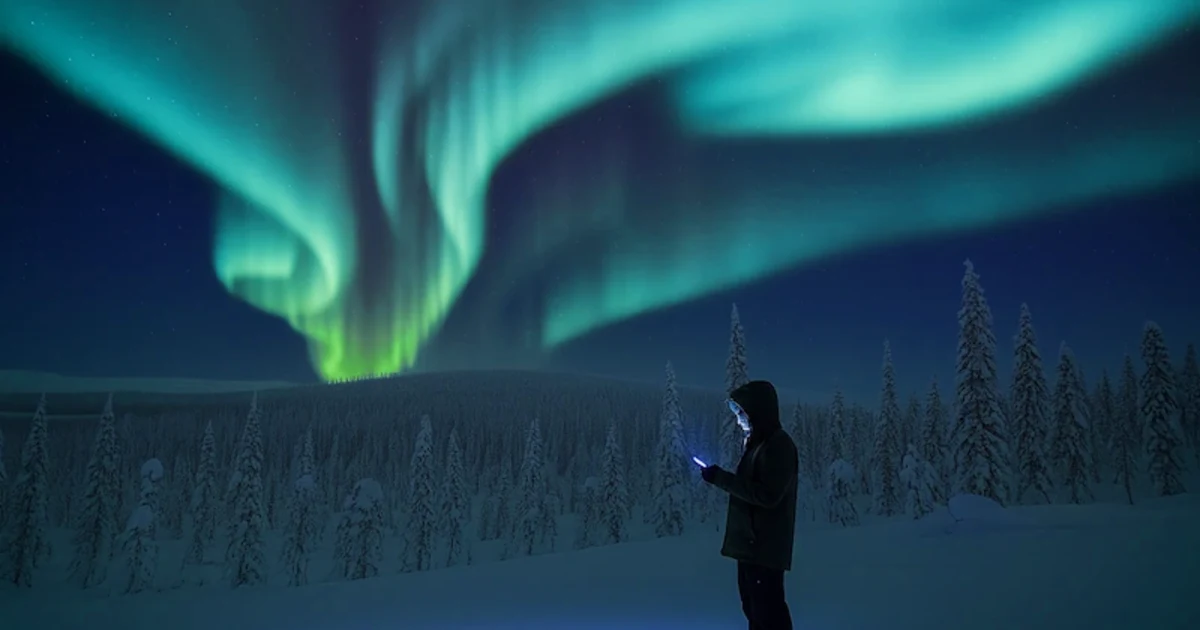
Watching the northern lights is mostly about matching three things at the same time: enough aurora activity, clear enough sky, and a dark viewing window from a location with a northern horizon. This guide is for people planning a real viewing night, photo stop, or trip who want to know whether to go out tonight, where to stand, what to check first, and when an aurora forecast app is useful.
Quick Answer
The practical answer is simple: do not decide from the Kp number alone. Use the Kp forecast as a signal, then confirm cloud cover, local darkness, moonlight, and your viewing location. A strong aurora forecast can still be wasted under clouds or city lights, while a modest forecast can be worth checking if you are far north, skies are clear, and the timing lines up with darkness.
For most viewers, the best process is:
- Check the aurora forecast for your location.
- Look at cloud cover for the same hours.
- Confirm it will be fully dark.
- Pick a place away from bright lights with an open view north.
- Use your phone camera or a real camera to test the sky, because cameras often reveal faint aurora before your eyes do.
This advice fits casual watchers, road-trip planners, photographers, and travelers comparing possible viewing locations.
How To Interpret The Signal
“Watching the northern lights” sounds passive, but good viewing is an active planning problem. The aurora may be happening high above Earth, yet whether you can see it depends on local conditions at ground level.
The Kp forecast is the usual first signal. In plain language, it estimates how disturbed Earth’s magnetic field may become. Higher Kp values usually mean aurora can appear farther from the polar regions. But Kp is broad, not street-level. It does not know whether your exact hill, beach, lake, or city park is cloudy, bright, foggy, or blocked by trees.
That is why the signal needs context. A useful aurora check combines space weather with local weather and viewing geometry. You are asking: “Is there enough activity, at the right time, in a place where I can actually see the sky?”
Common edge cases matter:
- A high Kp forecast during daylight will not help you see aurora.
- Clear sky in the city may still be too bright for faint displays.
- A visible aurora can sit low on the northern horizon, hidden by buildings or mountains.
- Fast-moving clouds can create short windows even on a mostly cloudy night.
- Phone photos may show green or purple glow before the naked eye sees much color.
- Forecasts can change quickly, so a plan made in the afternoon may need checking again after dark.
Treat the forecast as a probability signal, not a promise.
What To Check Before Acting
Before driving out, booking a viewing tour, or waiting outside in cold weather, run through the core checks.
Kp Forecast
Start with the Kp forecast or aurora activity level. A higher value generally improves the chance of seeing aurora from lower latitudes, while northern locations may still have chances during lower activity.
Do not use Kp as a yes-or-no answer. Use it to decide whether the night deserves more checking. If the Kp forecast is rising during your local dark hours, that is more useful than a high number that peaks before sunset or after sunrise.
For “watching the northern lights tonight,” timing matters as much as strength. A 3-day aurora forecast can help you choose which evening to prioritize, but same-night checks are better for final decisions.
Cloud Cover
Clouds are often the deciding factor. A strong aurora above a solid cloud deck will not be visible from the ground. Check cloud cover by hour, not only the daily weather summary.
Look for:
- Clear or partly clear periods during darkness
- Breaks in cloud cover near the forecast peak
- Lower cloud risk away from nearby hills, coastlines, or city weather patterns
- A backup location within reasonable driving distance
If you are choosing between two places, a slightly weaker aurora forecast with clearer sky may be better than a stronger forecast under thick cloud.
Local Darkness Window
Aurora viewing requires darkness. Check sunset, twilight, sunrise, and moonlight for your location. The useful viewing window usually starts after the sky becomes properly dark, not simply at sunset.
In high-latitude places, late summer and early autumn can be tricky because nights may still be short. In winter, darkness is easier to find, but weather and cold become bigger planning factors.
For “what time will the northern lights be visible tonight,” the answer is local: look for the overlap between forecast activity and your true dark window.
Camera Or Viewing Location
Pick a place where the sky is open, especially toward the north if you are outside the auroral zone. Lakeshores, dark roads, beaches, fields, and hilltops can work well if they are safe and legal to access.
Avoid:
- Streetlights and parking lot lights
- Bright town centers
- Headlights from busy roads
- Tall buildings or trees blocking the horizon
- Unsafe roadside stopping spots
A phone can help you look for faint aurora. Use night mode if available, keep the phone steady, and point it toward the darkest part of the northern sky. If the image shows a faint green band, glow, or vertical rays, stay patient and keep watching. The display may strengthen or fade quickly.
Where Aurora Forecast Fits
Aurora Forecast is useful when you need location-specific planning instead of a general guess. The main value is combining forecast checks, alerts, and viewing timing around where you actually are or where you plan to go.
Use an app when:
- You are deciding whether to go out tonight.
- You are comparing nearby locations.
- You want alerts instead of refreshing forecasts manually.
- You are planning a trip around several possible viewing nights.
- You need a quick check of aurora activity, darkness, and local conditions.
For SEO review and internal linking, this article naturally supports links to the forecast page, a location guide, and a methodology or alerts page. Those links should help readers move from general advice to a practical viewing decision without turning the article into a sales pitch.
An app will not make aurora appear, and it cannot remove clouds. Its job is to reduce guesswork: check the signal, watch the timing, and help you act when conditions line up.
FAQ
How can you look at the northern lights with your phone?
Use your phone as both a viewing aid and a camera. Open the camera, switch to night mode if available, hold the phone very still, and point it at the darkest part of the sky, often toward the north. A tripod, wall, car roof, or stable fence post can help reduce blur.
The phone may show faint aurora before your eyes notice it. If the photo shows a pale green, purple, or grayish band, keep watching with your eyes for several minutes. Do not rely only on the screen, because bright phone light can reduce your night vision.
What’s the best way to watch the northern lights?
The best way is to combine a forecast check with a good location. Choose a dark place away from city lights, confirm clear or partly clear sky, and go during the local dark window when aurora activity is expected.
Dress for waiting, give your eyes time to adjust, and avoid constantly looking at bright screens. If possible, face an open northern horizon. Bring a camera or phone for faint displays, but spend time watching the whole sky because aurora can change shape and brightness quickly.
What month is best to see the northern lights?
The best months are usually the darker months, because aurora needs night sky visibility. In many northern destinations, the practical viewing season runs from late summer or early autumn into spring, with winter offering long dark windows.
There is no single best month for every place. A good month still needs clear sky, darkness, and aurora activity. For trip planning, compare the darkness window, typical cloud risk, temperature, and travel conditions for your chosen region.
Where to see the northern lights in September 2026?
For September 2026, choose northern-latitude destinations where nights are dark enough again and where you can reach open, low-light viewing spots. Good planning regions often include Alaska, northern Canada, Iceland, northern Scandinavia, and other high-latitude areas.
Because this is a future trip, do not pick a final viewing night from today’s forecast. Use September as a seasonal planning window, then check the 3-day aurora forecast, cloud cover, and local darkness once your travel dates are close. A location guide and alerts can help you choose between nearby viewing spots during the trip.
When should someone use an app for watching the northern lights?
Use an app when timing and location matter. It is most helpful on the day of viewing, during a multi-night trip, or when you are close enough to drive to darker skies if conditions improve.
An app is less useful as a long-range guarantee. For trips months away, use it for destination research and seasonal expectations. For tonight, use it for forecast checks, alerts, and location-specific planning.
Suggested meta title: Watching the Northern Lights: Practical Guide Suggested meta description: Learn watching the northern lights, what to check first, common mistakes, and how Aurora Forecast can help.

